
3 Epic Faroe Islands Experiences You Can’t Miss
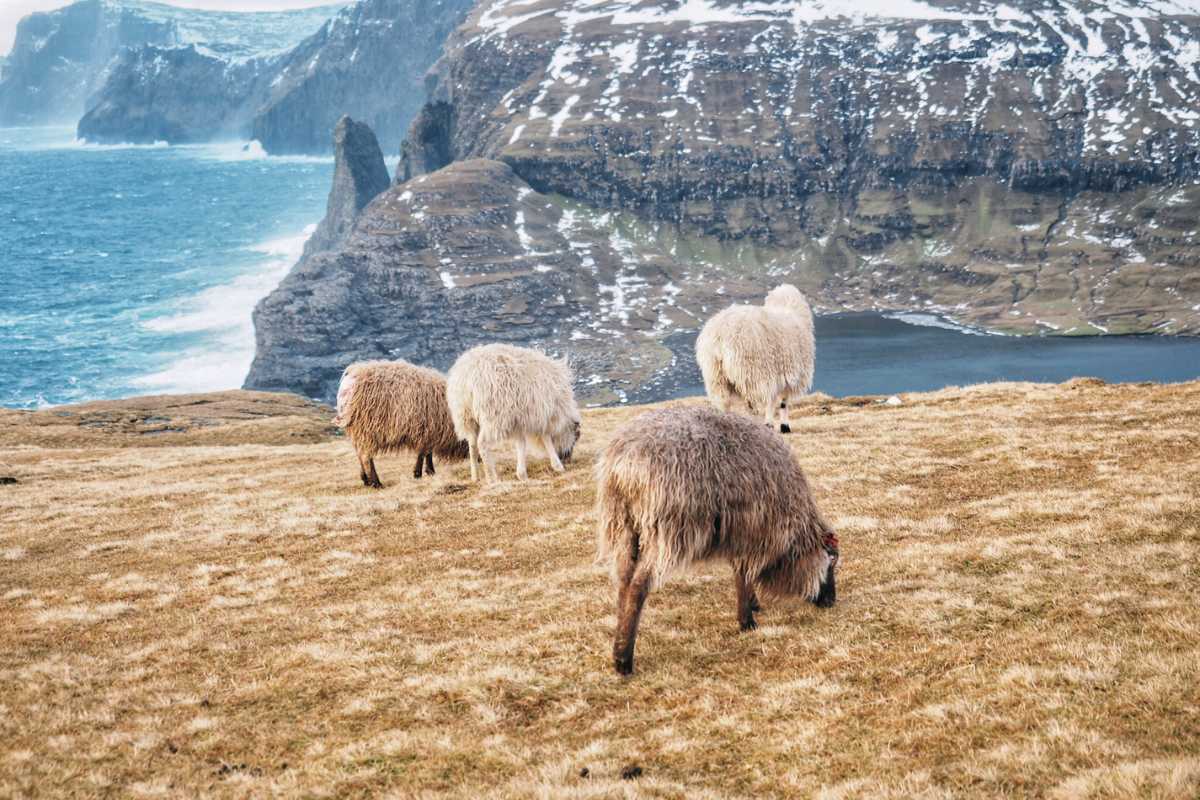
Table of Contents
The Faroe Islands aren’t about seeing everything. They’re about experiencing something deeply.
Most people rush through, ticking boxes. They hit the famous spots, take the photos, and leave wondering why they don’t feel different. Here’s the truth: the Faroe Islands reveal themselves slowly, to those willing to stop and pay attention.
These three experiences aren’t just “must-sees.” They’re moments that shift something inside you. Pick even one, do it right, and you’ll understand why people come back changed.
1. Best Faroe Islands Experiences: Kallur Lighthouse Hike
What It Is
A lighthouse perched on the edge of Kalsoy Island, surrounded by jagged peaks that drop straight into the North Atlantic. The hike isn’t long—maybe 90 minutes round trip—but every step reveals something impossible.
Mountains rise like dragon spines. The ocean stretches endlessly. And at the end, a red-and-white lighthouse standing alone against the sky, like it’s the last thing holding the world together.
Why It Matters
This isn’t about the lighthouse. It’s about standing at the edge of something so vast it makes your problems feel small. The wind hits hard here. The cliffs drop hundreds of feet. There’s no safety rail, no gift shop, no crowd control.
Just you, the edge, and the realization that beauty doesn’t owe you comfort.
People cry here. Not sad tears—the kind that come when something breaks open inside you.
How to Do It Right
Take the car ferry from Klaksvík to Kalsoy (book ahead in summer). Drive through four one-lane tunnels carved into mountains. Park in Trøllanes village.
The trail starts obvious, then gets steep and muddy. Wear real hiking boots. The weather changes fast—bring layers even if it’s sunny.
Go early or late to avoid groups. Sunrise is magical if you can handle waking up at 4 AM. Sunset works too, but check ferry times back.
And when you get there? Put your phone away for at least five minutes. Just stand there. Let it hit you.
Practical Stuff
Difficulty: Moderate
Time: 1.5-2 hours round trip
Cost: Ferry ~$20 roundtrip per person, parking free
Best Time: May-September for access, but September for fewer people
2. Múlafossur Waterfall: The One That Stops You Cold
What It Is
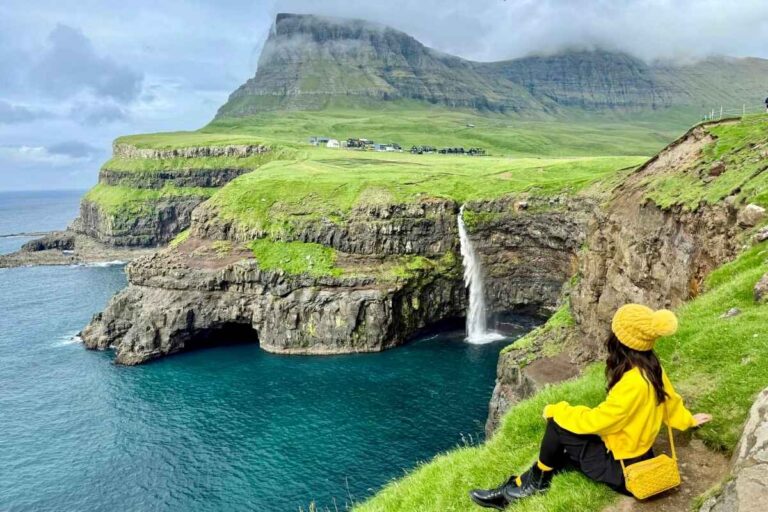
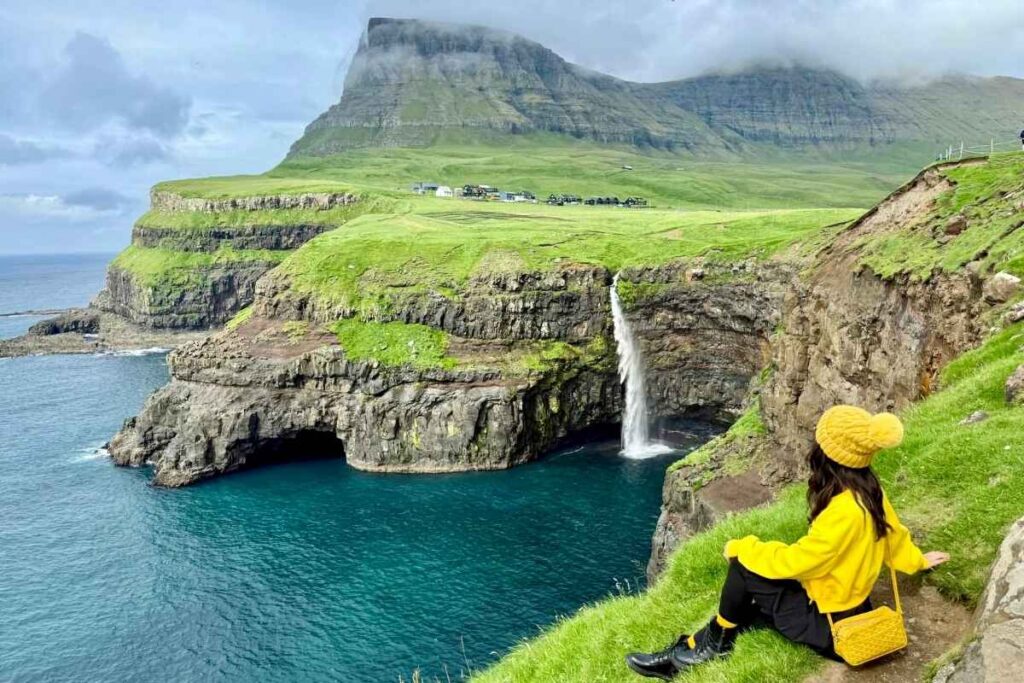
A waterfall that pours straight off a cliff into the ocean. Next to it, a village of 18 people who wake up to this every day like it’s normal.
It’s not normal. It’s the kind of view that makes you pull over, get out of the car, and forget what you were doing.
Why It Matters
Gásadalur was only accessible by foot until 2004. Eighteen people lived here, cut off from the world except for a mountain path. Then they carved a tunnel through solid rock, and suddenly everyone could see what they’d been keeping to themselves.
The waterfall feels ancient and temporary at the same time. It crashes into the sea with a roar, mist rising, rainbows forming on sunny days. The village sits quiet, like it’s used to all this drama.
You stand there and think: people actually live here. They chose this. And suddenly your own life feels either too small or too complicated—maybe both.
How to Do It Right
Drive to Gásadalur (the tunnel makes it easy now). Park near the village. Two viewpoints: one from above (easier, great for photos) and one from the beach below (harder hike, more dramatic).
Morning light hits the waterfall perfectly. Late afternoon works too. Avoid midday when tour buses show up.
If you’re there at sunrise and it’s just you, the village, and that waterfall—that’s when it happens. That moment people try to describe but can’t.
Respect the village. These are people’s homes, not a theme park. Stay on paths, don’t peek in windows, keep noise down.
Practical Stuff
Difficulty: Easy (viewpoint), Moderate (beach hike)
Time: 30 minutes to 2 hours depending on route
Cost: Free, small parking fee
Best Time: Sunrise for solitude, September for best light
3. Lake Sørvágsvatn: The Optical Illusion That Breaks Your Brain
What It Is
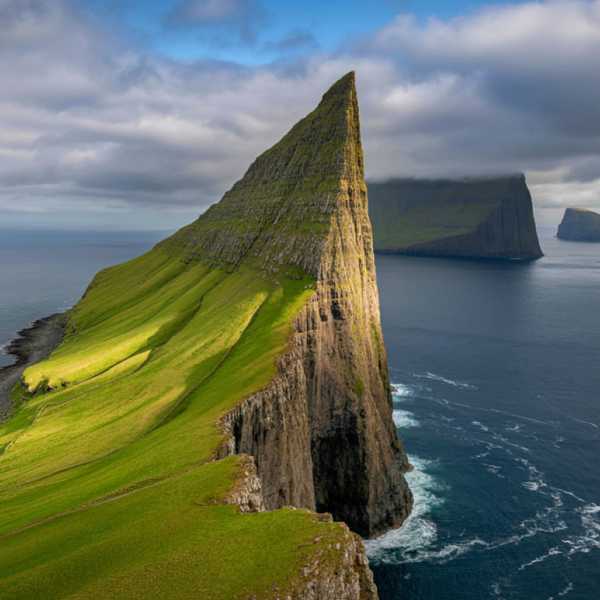
A lake that appears to float hundreds of feet above the ocean. It doesn’t, obviously—physics still works. But your eyes refuse to believe it.
The cliff drops sharply, creating an optical illusion so perfect it feels like a glitch in reality. Photos don’t lie here; they just can’t capture how wrong it looks in person.
Why It Matters
Sometimes you need to see something impossible to remember that perspective changes everything.
The lake sits maybe 90 feet above sea level. Not that high. But the angle, the cliff, the way the ocean stretches beyond—it all conspires to make your brain short-circuit.
You hike there thinking it’ll be cool. You arrive and it’s disorienting. Your sense of scale breaks. The waterfall (Bøsdalafossur) at the lake’s edge pours into the void, adding to the surreal feeling.
It’s a reminder: what you think you’re seeing isn’t always what’s actually there. Good lesson for travel. Better lesson for life.
How to Do It Right
Park at Trælanípa/Bøsdalafossur trailhead near Sørvágur. The hike is about 2 hours round trip, mostly flat, well-marked.
Weather matters here. Fog kills the view. Wind can be dangerous near the cliff edge. Check conditions before you go.
The classic viewpoint is from the cliff edge overlooking the waterfall. It’s steep. It’s exposed. Stay back from the edge—people have died here.
If you want the full experience, hike around the lake. Fewer people do this, and you get multiple angles of the illusion.
Pack water and snacks. There’s nothing out there but sheep and wind.
Practical Stuff
Difficulty: Easy to moderate
Time: 2-3 hours round trip
Cost: ~$20 parking/trail fee
Best Time: Clear days (check forecast), fewer crowds early morning
Warning: Serious cliff exposure—not for those uncomfortable with heights
One More Thing
These three experiences work because they’re not about collecting moments for social media. They’re about stopping long enough to feel something real.
The Faroe Islands don’t care if you’re impressed. They existed long before you got here, and they’ll be here long after you leave. What changes is you—if you let it.
Pick one of these. Show up early. Put your phone in your pocket. Stand there longer than feels comfortable.
That’s when it happens. That shift. That thing you can’t quite explain when you get home.
The Faroe Islands don’t give you answers. They give you better questions.
And sometimes, that’s exactly what you need.