
FAROE ISLANDS: WHERE SOLITUDE MEETS THE SEA
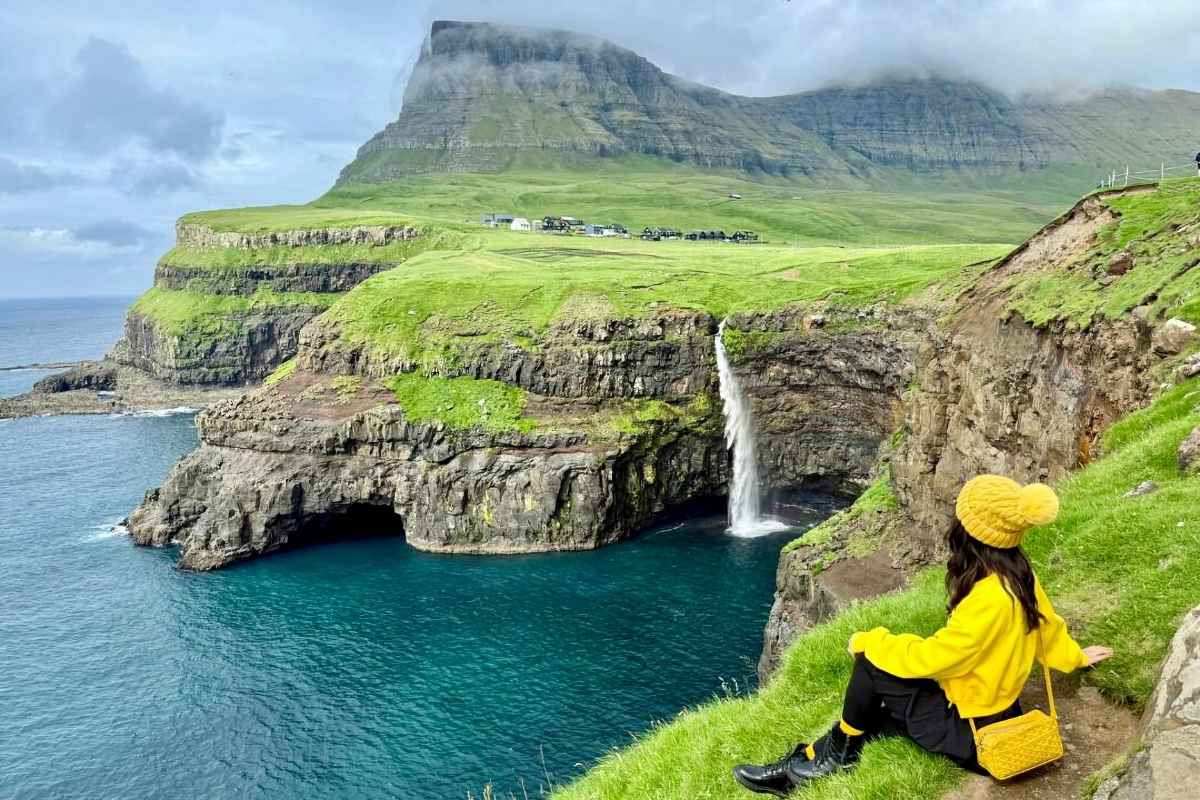
Table of Contents
Some places whisper. The Faroe Islands roar.
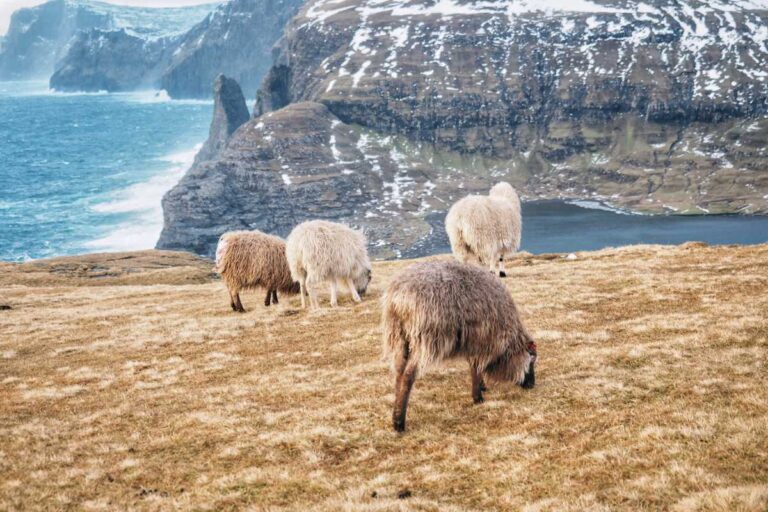
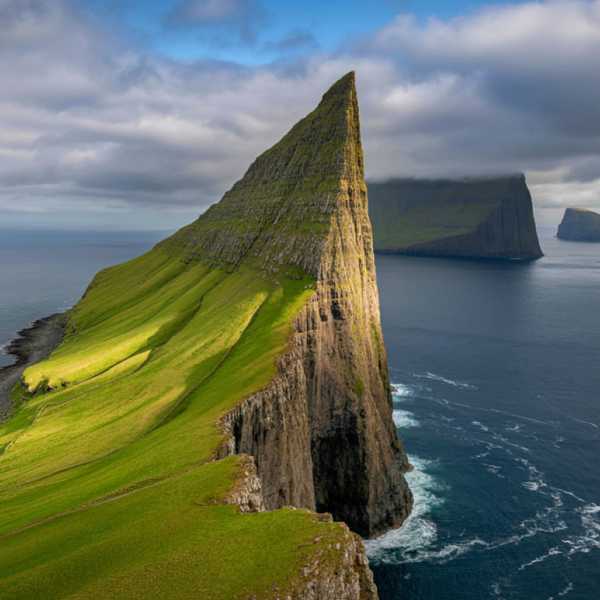
Eighteen volcanic islands sit between Iceland and Norway, scattered across the North Atlantic like someone tossed them there and forgot. Jagged cliffs drop into dark seas. Sheep wander freely (there are more of them than people). Villages hang onto coastlines like they’re barely holding on.
This isn’t a place for ticking boxes off a list. It’s for people who want to feel small, who find peace in wild places, who know that real beauty doesn’t always come with sunshine.
If you’re done with ordinary, the Faroes are calling.
Why the Faroe Islands Change You
Solitude That Doesn’t Feel Lonely
Only 55,000 people live across all eighteen islands. You’ll have entire valleys to yourself. Not the fake alone-time of an expensive resort—real space where the loudest sound is wind and waves.
There’s something powerful about being small against something so big. The Faroes remind you of that.
Landscapes That Shouldn’t Be Real
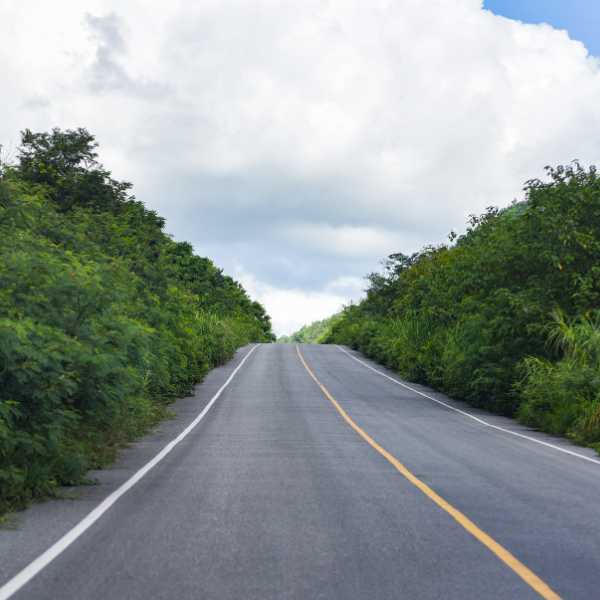
Waterfalls pour straight into the ocean. Villages hide in valleys so steep you wonder how anyone found them in the first place. Every road brings something that makes you stop the car and stare.
It’s the kind of beautiful that photos can’t quite capture. You have to be there.
Weather That Teaches You to Let Go
They say the Faroes have four seasons in one day. They’re not exaggerating. Sun, rain, fog, wind—sometimes all in an hour.
You learn to stop fighting it. To find the beauty in gray skies and sideways rain. To be okay with plans changing. The islands teach you that control is overrated.
When to Visit
The Faroes don’t have a “perfect” season. Just different moods.
May to August: Long days, green everywhere, but also the most tourists
September to October: Golden light, fewer people, weather gets wild
November to April: Raw and moody, serious isolation—not for everyone
My take? September. You get the dramatic light without the tour groups.
Villages That Feel Like Secrets
Gásadalur
Population: 18 people.
One road leads here, carved through a mountain in 2004. Before that, you had to hike in. The village sits on a cliff with a waterfall (Múlafossur) tumbling into the ocean right next to it.
It’s absurdly beautiful. Go early to have it to yourself.
Saksun
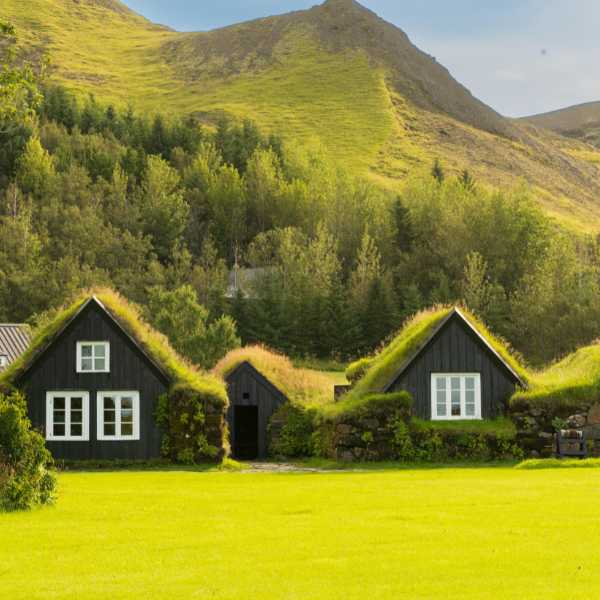
This place looks fake. A lagoon village surrounded by mountains, with traditional grass-roofed houses and a black sand beach.
Visit at low tide when the lagoon drains into tidal pools. It feels like you’ve walked into another time.
Tjørnuvík
A fishing village facing the open ocean. Two massive sea stacks guard the bay like ancient sentinels.
It’s windy, raw, and beautiful in a way that makes you understand why people live here despite the harshness.
Kirkjubøur
Less dramatic, more historical. An 800-year-old farmhouse that people still live in. A medieval church. Stone ruins.
It’s quieter here. More contemplative. A good balance to all the dramatic cliffs.
Tórshavn
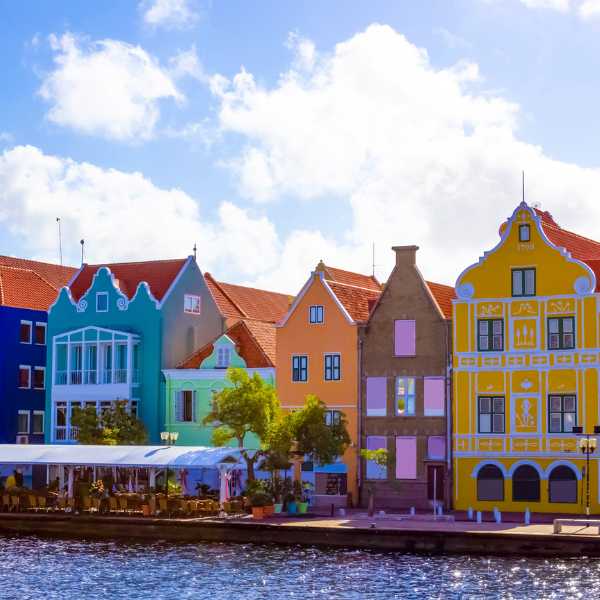
The capital. Colorful wooden houses line the harbor. Good food, cozy cafes, practical supplies.
It’s a nice base, but don’t spend all your time here. The real Faroes are in the villages.
What to Actually Do
Hike Somewhere Without a Name
The best trails aren’t marked. Pick a village, walk uphill, see where it goes. You’ll find your own view.
Just Sit and Watch
Find a cliff. Turn your phone off. Let the wind and waves do their thing. The Faroes teach you that doing nothing is actually doing something.
Eat the Local Food
Try ræst (fermented lamb), dried fish, and Faroese beer. It’s not always what you expect, but it tells you about the place.
Drive Without a Destination
Tunnels connect the islands like portals. Drive through one and see what’s on the other side. Getting lost here is the point.
Watch How the Ocean Moves
Don’t just glance at it. Actually watch. See how it changes color, how the waves shift. The ocean here isn’t background—it’s everything.
The Practical Stuff
Getting There:
Fly through Copenhagen (most flights) or Reykjavik (seasonal). Atlantic Airways is the main carrier.
Getting Around:
Rent a car. Buses exist but you’ll miss too much. Island tunnels have tolls that you pay online later.
What It Costs:
Not cheap. Budget about $80-100/day for groceries for two people. Eating out runs $25-40 per meal. Places to stay: $100-200/night.
Where to Stay:
Small guesthouses in villages beat hotels in town. You’re here for the villages anyway.
What to Pack:
Layers. Serious rain gear. Hiking boots. Don’t bring an umbrella—the wind will destroy it.
A Few More Things
The islands are connected by tunnels and ferries. Some roads are one lane with passing spots. Drive slow, pull over when needed, wave at everyone. That’s just how it works here.
Sheep have right of way. Always.
The northern lights show up in winter if you’re lucky and the clouds cooperate (big if).
People speak Faroese but most know English. They’re friendly but not overly chatty. Respect the quiet.
Final Thoughts
The Faroe Islands won’t coddle you. There’s no promise of sunny skies or easy travel. What you get instead is something real—a place that hasn’t smoothed its edges for tourists.
You’ll come back with muddy boots and wind-tangled hair. You’ll have photos that don’t quite capture what you saw. And you’ll carry a feeling that’s hard to explain to people who weren’t there.
That’s what happens when you choose depth over distance. When you refuse ordinary.
The Faroe Islands don’t need you to visit. But if you’re the kind of person who reads this and feels something shift—maybe you need them.
They’ll be there, waiting in the North Atlantic, doing their thing whether you show up or not.