Slow Travel vs Fast Travel: Why Fast Travel Is the New Burnout
Table of Contents
I remember the moment it stopped feeling like travel.
It was my fourth city in six days.
I had just arrived, dropped my bag, and immediately pulled up a map. There were “must-see” spots pinned everywhere—cathedrals, viewpoints, restaurants I had saved weeks before. My phone buzzed with reminders. My mind was already racing ahead.
I wasn’t tired in a normal way.
I was exhausted in a way that felt… wrong.
I was in a beautiful place I had dreamed about visiting—and all I could think about was what came next.
That’s when it hit me:
I wasn’t traveling anymore. I was just moving.
What Is Slow Travel (And Why It Matters)
Slow travel is exactly what it sounds like—but also much deeper than that.
It’s not just about staying longer in one place.
It’s about:
- experiencing instead of consuming
- being present instead of rushing
- choosing depth over distance
Instead of trying to “see everything,” slow travel asks a different question:
What does it feel like to be here?
And that question changes everything.
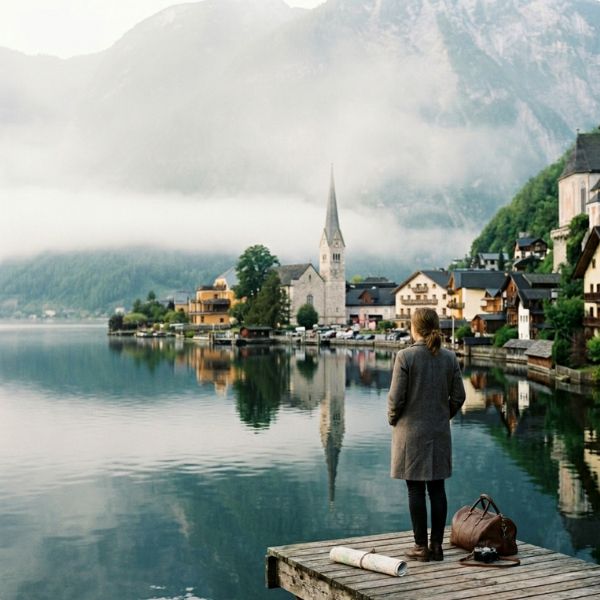
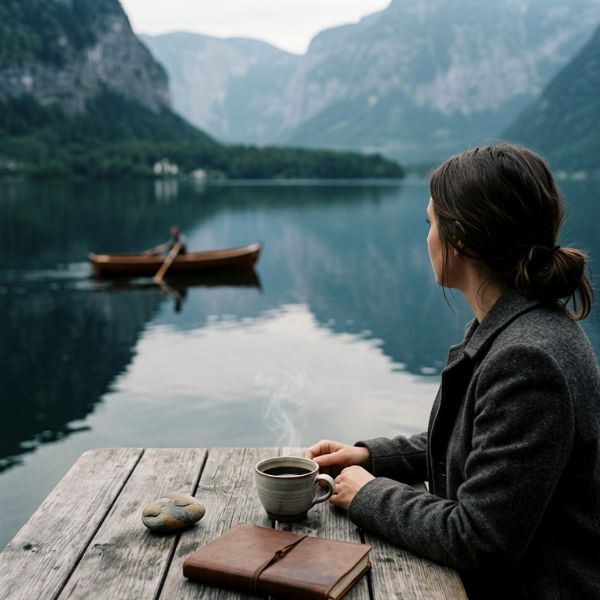
Slow Travel vs Fast Travel: The Real Difference
At first glance, the difference seems simple.
But it’s not about speed—it’s about mindset.
Fast travel looks like:
- 5 cities in 7 days
- packed itineraries
- constant movement
- chasing highlights
- checking boxes
Slow travel feels like:
- fewer places, longer stays
- flexible days
- room for spontaneity
- connection with a place
- actually remembering the experience
Fast travel is about coverage.
Slow travel is about connection.
Why Fast Travel Leads to Burnout
No one plans a trip hoping to feel drained.
And yet, more and more travelers come back from vacations needing… another vacation.
Here’s why.
1. Travel Becomes Another Form of Work
Somewhere along the way, travel turned into a productivity game.
You optimize routes.
You maximize time.
You try to “fit everything in.”
You start managing your trip like a project.
And without realizing it, you carry the same pressure you were trying to escape.
2. You Don’t Give Moments Time to Land
You see incredible places—but barely process them.
A viewpoint becomes a photo.
A street becomes a transition.
A meal becomes a quick stop between attractions.
Before anything has time to mean something… you’re already gone.
3. Decision Fatigue Never Stops
Every day, every hour:
- Where to go next
- What to eat
- How to get there
- What not to miss
Your brain never rests.
And what should feel like freedom slowly turns into mental overload.
4. Your Body Falls Behind
Early mornings.
Late nights.
Constant transportation.
Even if your mind is excited, your body keeps score.
And eventually, it catches up.
5. You’re Chasing an Experience You Never Fully Have
Fast travel is often driven by something subtle:
the fear of missing out
So you try to do more.
See more.
Capture more.
But in doing so, you end up experiencing less.
The Real Problem: You Didn’t Escape the Hustle — You Brought It With You
This is the deeper truth most people don’t talk about.
Fast travel isn’t just about travel.
It’s a reflection of how we live.
We optimize everything.
We measure everything.
We try to make every moment “worth it.”
So when we travel, we don’t slow down.
We just change locations.
And burnout follows us there.
The Benefits of Slow Travel (What Changes When You Slow Down)
When you shift to slow travel, something subtle—but powerful—happens.
You stop trying to control the experience.
And you start living it.
You Start Noticing Things
The way a street sounds in the morning.
The rhythm of a local café.
The small details you would normally miss.
You Feel Less Pressure
There’s no rush to “complete” the destination.
No invisible checklist.
Just time.
You Connect More Deeply
With places.
With people.
With yourself.
And those are the moments that stay.
You Actually Remember Your Trip
Not just photos.
Not just highlights.
But how it felt.
What Slow Travel Actually Feels Like
It’s waking up without an alarm.
It’s going back to the same café—and being recognized.
It’s sitting somewhere with no plan… and not feeling guilty about it.
It’s walking without checking your phone.
It’s letting a place reveal itself to you slowly.
Not all at once.
How to Start Traveling Slower (Without Overthinking It)
You don’t need to completely change how you travel overnight.
Just shift a few things:
- Stay at least 3–5 days in one place
- Plan fewer activities per day
- Leave space for unplanned time
- Choose quality over quantity
- Accept that you won’t see everything
And that’s the point.
Redefining What a “Good Trip” Means
For a long time, travel success looked like this:
how many places you visited
how much you managed to see
But maybe that was never the right metric.
Maybe a good trip is simpler than that.
Maybe it’s about how deeply you experienced a place.
Final Thought: You Don’t Need to See More — You Need to Feel More
The next time you plan a trip, pause for a moment.
Ask yourself:
Do I want to see everything?
Or do I want to actually experience something?
Because those are two very different journeys.
And one of them leaves you fulfilled.
The other leaves you exhausted.
Maybe the goal isn’t to see more of the world.