
Hallstatt, Austria: 1 Complete Guide to Europe’s Most Peaceful Village
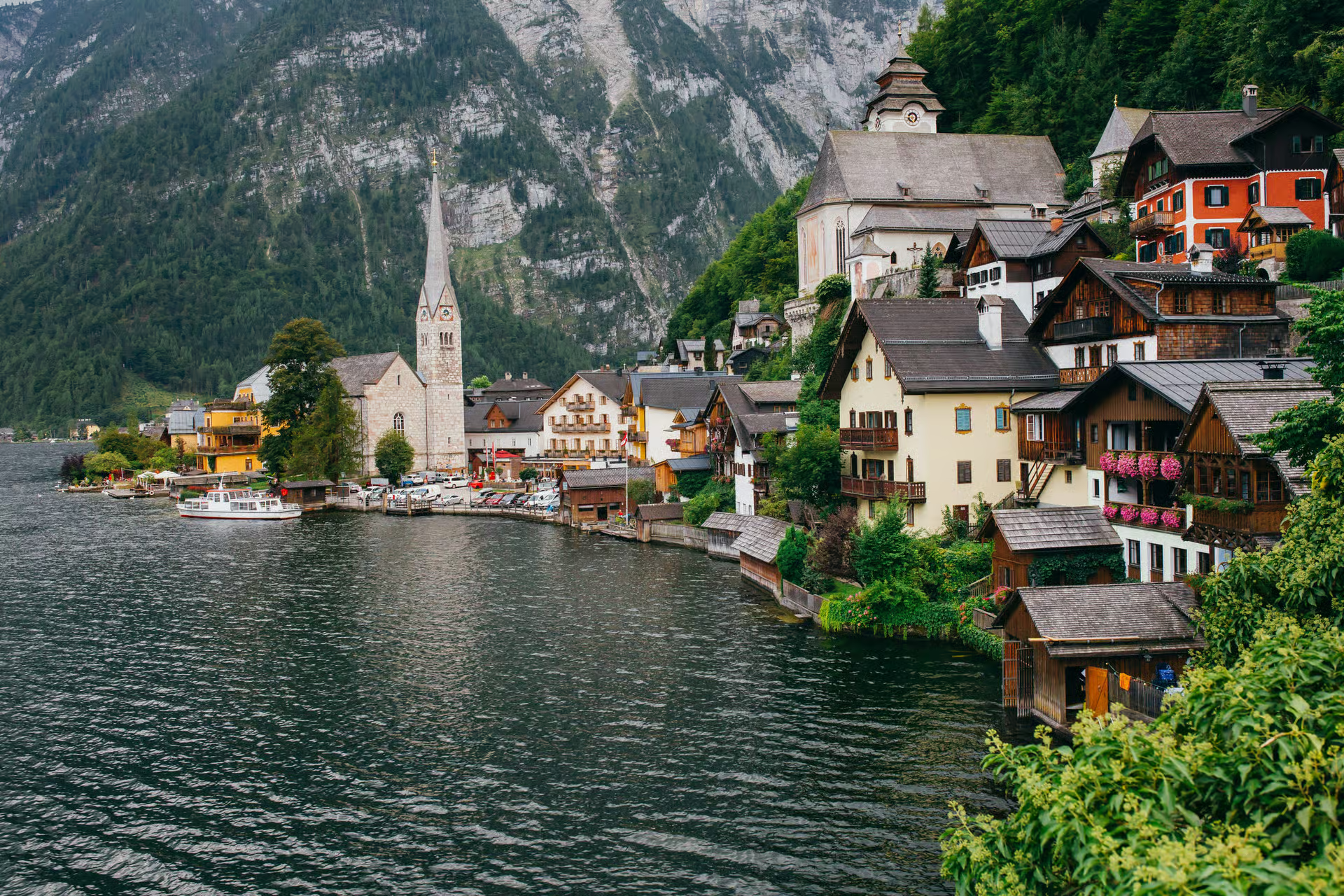
Nestled between towering Alpine peaks and the crystalline waters of Lake, this UNESCO World Heritage village looks like something straight out of a fairytale. With its pastel-colored houses cascading down the mountainside, ancient church spires piercing the sky, and swans gliding across mirror-like waters, Hallstatt has become one of Europe’s most photographed destinations. But there’s much more to this 7,000-year-old village than just its postcard-perfect appearance.
Table of Contents
What Makes Hallstatt Special?
Is located in Austria’s Salzkammergut region, about an hour’s drive east of Salzburg. This tiny village of around 760 residents has an extraordinarily rich history dating back to the early Celtic era and beyond. The village’s name comes from the ancient salt mines that have been operating for millennia, making it the world’s oldest salt mine with 7,000 years of mining heritage.
The village’s UNESCO World Heritage status reflects not just its natural beauty, but its cultural significance. The entire Hallstatt-Dachstein Salzkammergut Cultural Landscape is protected, representing an exceptional example of human interaction with the Alpine environment over thousands of years.
Top Things to Do in Hallstatt
1. Visit the Hallstatt Salt Mines (Salzwelten)
Note: The salt mines are currently undergoing construction work and will be closed from September 2025 to June 2026.
The Hallstatt Salt Mines are the village’s crown jewel attraction. The 2026 visitor experience includes a funicular railway ascending from the valley station to the mine entrance, a comprehensive 90-minute guided tour through historical mining chambers, underground lake boat rides, and thrilling wooden miners’ slides between levels.
When operational, adult admission is €34 and includes funicular transportation and the full 90-minute guided tour. During the closure period, a shuttle service operates from Hallstatt to the Altaussee show mine as an alternative.
2. Take a Boat Ride on Lake Hallstatt
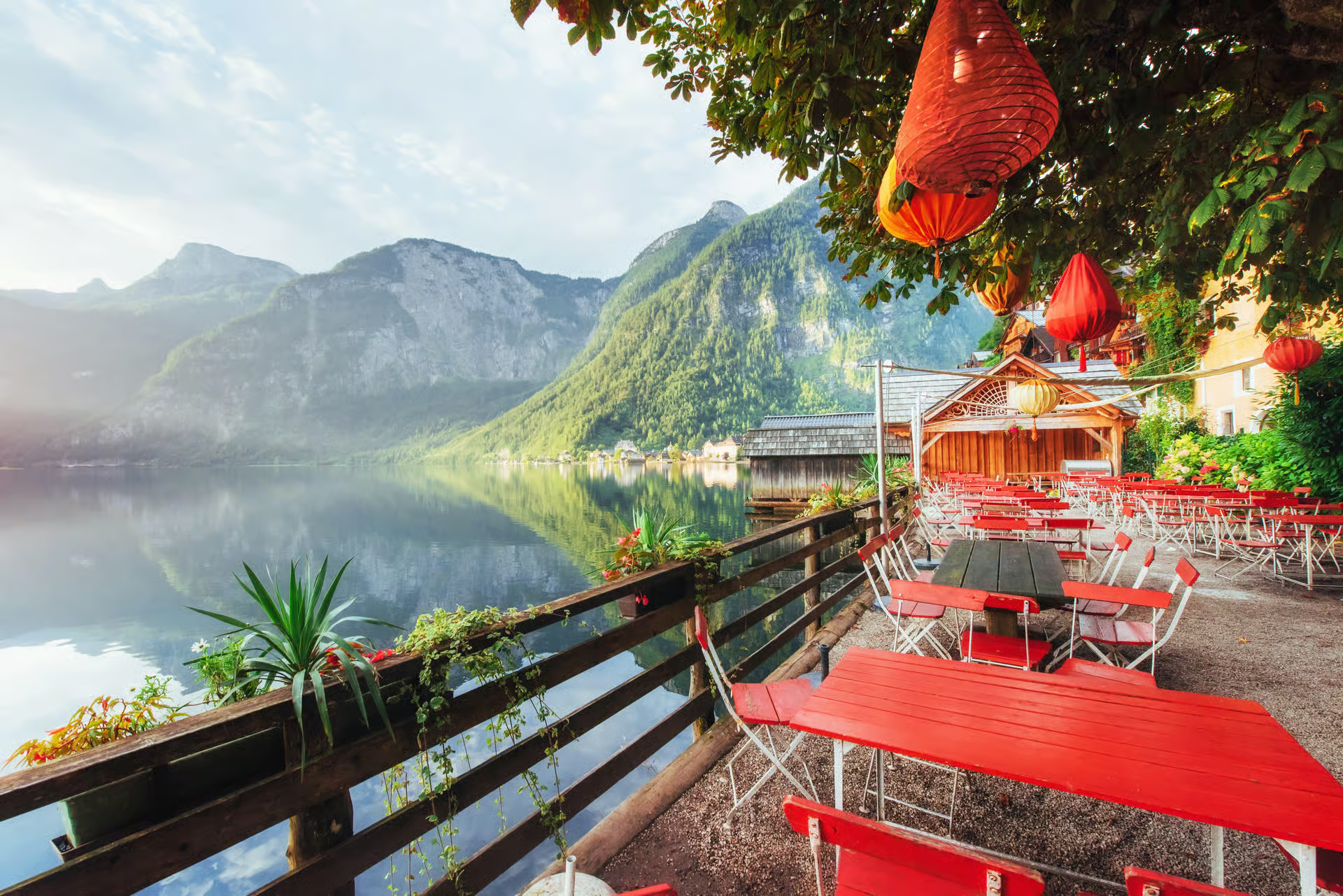
One of the most magical experiences in Hallstatt is seeing the village from the water. Local wooden boats offer the most stunning view of the whole UNESCO World Heritage Site, including pastel houses, mountains, and the church spire from a completely different angle. Be aware that in the afternoon, wait times can exceed an hour during peak season.
The ferry service is also the primary connection between Hallstatt train station and the village itself. Ferry services are synchronized with train schedules, with the 10-minute ride costing between €2 and €2.50 on a cash-only basis.
3. Marvel at the Hallstatt Skywalk
The viewing platform extends 12 meters from the mountainside and sits 360 meters above the ground. Accessible via funicular, the Skywalk offers breathtaking panoramic views over the village and lake. Pro tip: Check the live webcam at the base station before ascending to ensure clear visibility.
4. Explore the Hallstatt Ossuary (Bone House)
One of Hallstatt’s most unique attractions, the small chapel houses over 1,200 skulls, more than 600 of which are painted and sorted by family. This centuries-old Alpine tradition arose from limited burial space in the small mountain village. While it might sound eerie, many visitors find it reminiscent of Day of the Dead celebrations, more of a tribute than something scary. A small cash entry fee is required.
5. Wander the Historic Village Center
The heart of Hallstatt is the Marktplatz (Market Square) and surrounding streets. Here you’ll find colorful gingerbread-style houses, the beautiful Catholic parish church, and winding cobblestone lanes that invite leisurely exploration. The famous photo point is just a short walk from the market square.
6. Visit the Dachstein Cave Worlds
For adventurers, the Dachstein Cave Worlds on Krippenstein Mountain offer spectacular ice cave formations and the famous “5fingers” viewing platform. Cable car access may be season-dependent, so checking operational schedules before planning visits is recommended.
7. Discover the Glacier Garden
Located in the Hallstatt Echern valley, this natural monument is a relic from the last Ice Age. Nearby, you’ll find the Waldbachstrub waterfall, creating excellent photo opportunities in a serene natural setting.
When to Visit Hallstatt
Summer (June-August)
Summer offers the warmest weather, longest days, and opportunities for swimming and boat rides. However, it’s also the busiest season with the most crowds and highest prices.
Winter (December-February)
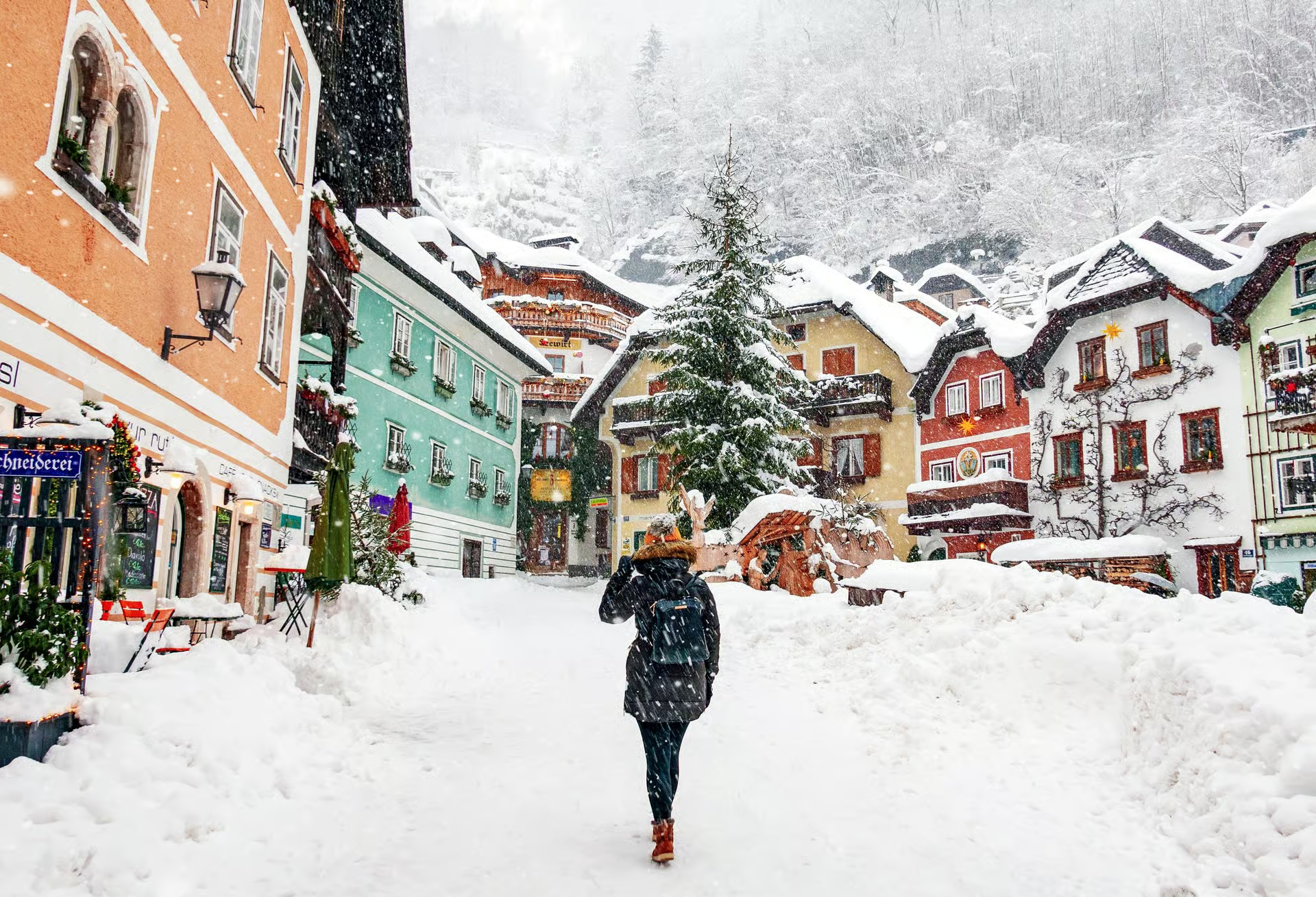
Winter transforms Hallstatt into a snowy fairytale, with the lake freezing at the edges and mountains dusted in snow. The village hosts a special Christmas Market on December 8, and nearby Dachstein Krippenstein offers excellent skiing. Winter visits require warm clothing but offer a magical atmosphere.
Spring and Fall (March-May, September-November)
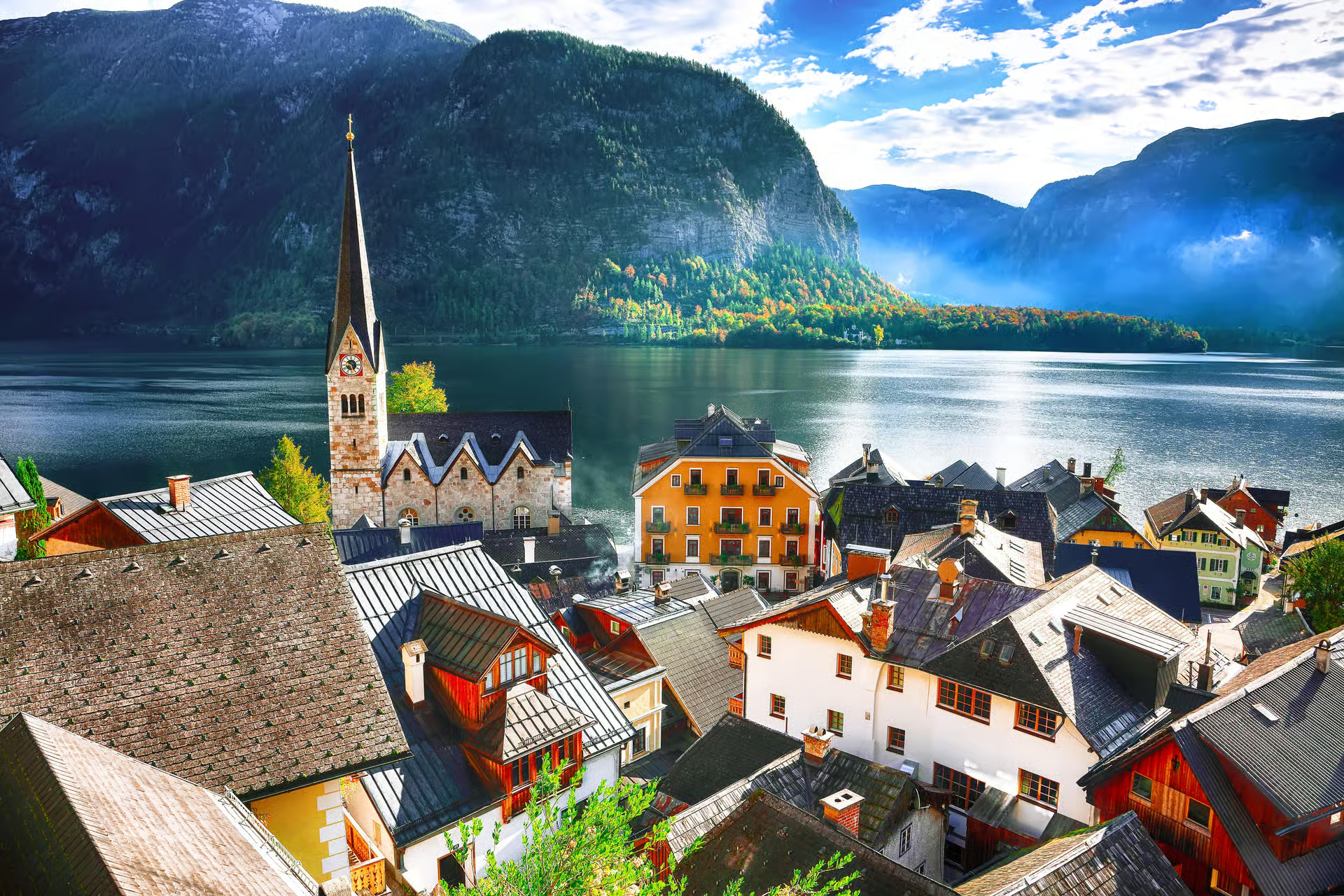
October brings autumn colors in the surrounding forests, creating exceptional photographic opportunities while visitor numbers decline dramatically after September school holidays end. These shoulder seasons offer quieter experiences and lower prices while accepting modest weather uncertainty.
Best Days to Visit
Tuesday, Wednesday, and Thursday represent optimal weekdays, with weekends attracting peak domestic tourism. The difference is most pronounced during summer when weekend tours sell out days in advance.
Best Times of Day
Morning arrivals before 10 AM or late afternoon visits after 3 PM reduce crowd density substantially, with photography enthusiasts benefiting from early morning light between 7-9 AM.
The Reality of Overtourism in Hallstatt
It’s important to address the elephant in the room: Hallstatt faces significant overtourism challenges. With around 760 residents but over one million visitors each year, the village faces a critical question about sustainability. On peak days, up to 10,000 visitors crowd through its narrow lanes.
Local Impact
For locals, there’s a daily cycle between calm and chaos, with mornings quiet but the village becoming crowded and hectic from around 10 AM until original tranquility returns in the evening. Signs throughout town remind visitors that Hallstatt is not an open-air museum but a real village with residents who value privacy and quiet.
In summer 2024, around 100 residents staged a protest, blocking the main tunnel for 15 minutes while holding signs reading “Emergency brake now!” and “Think of our children.”
Current Measures
The village has implemented time slots for coach buses, which is working well to manage organized tour groups. Tour buses are now restricted to designated parking areas requiring a 10-minute walk to the village center.
Local leaders are calling for a digital reservation system to limit daily visitors to around 5,000-5,500 tourists per day, which would cut current peak-day numbers almost in half. However, implementation is complicated by the need to coordinate with surrounding communities.
What This Means for Visitors
Being a responsible tourist in Hallstatt means:
- Visiting during off-peak times (early morning, late afternoon, or shoulder seasons)
- Respecting local residents’ privacy and keeping noise levels down
- Staying overnight rather than day-tripping to experience the village’s authentic character
- Exploring beyond the famous photo spot to reduce pressure on specific locations
- Supporting local businesses rather than just snapping photos and leaving
Where to Stay
In Hallstatt Village
Heritage Hotel Hallstatt – Occupies a prime lakeside position with rooms €180-280 per night in summer, requiring advance reservations 3-6 months ahead.
Gasthof Zauner – A family-operated guesthouse providing comfortable rooms at €140-190 per night with breakfast included, featuring traditional wood-paneled rooms with modern amenities.
Budget Options – Limited budget accommodation exists within Hallstatt village itself, with most affordable options located in surrounding communities like Obertraun or Gosau.
Booking 6-8 weeks ahead for summer weekends is essential. Staying overnight allows you to experience the village’s peaceful evening and early morning hours after day-trippers depart.
How to Get to Hallstatt
From Salzburg
By Organized Tour: Many tour operators offer day trips from Salzburg, typically including transportation and a guided experience.
By Train: Independent travel via regional train from Salzburg to Hallstatt Bahnhof costs €28 round-trip and takes 2.5 hours with a transfer at Attnang-Puchheim, plus a short ferry crossing. This route requires a 6-7 hour total commitment.
By Car: The drive takes approximately one hour. However, Hallstatt’s center is densely packed and the few existing parking lots are reserved for local residents.
From Vienna
Day trips from Vienna are possible but require early starts and long travel times, making overnight stays more practical for this distance.
Practical Tips
- Cash: Bring cash for the ferry, ossuary entry, and some small shops that don’t accept cards
- Parking: Parking is extremely limited; public transportation or organized tours are recommended
- Weather: Mountain weather can change quickly; bring layers and rain gear
- Crowds: Expect significant crowds from 10 AM-3 PM during peak season
- Accommodation: Book well in advance, especially for summer visits
- Salt Mine Closure: Plan alternative activities during the September 2025-June 2026 closure period
Alternative Experiences in the Region
The Salzkammergut region offers numerous other beautiful lakeside villages with fewer crowds:
- St. Wolfgang
- St. Gilgen
- Grundlsee
- Bad Aussee
These destinations provide similar Alpine scenery with more authentic, peaceful experiences.
Food and Dining
Hallstatt offers traditional Austrian cuisine, from schnitzel and spätzle to local lake fish. The village has various restaurants ranging from casual cafés to upscale dining with lake views. Vegetarian-friendly options are increasingly available. Be prepared for higher prices due to the tourist-focused economy.
Is Hallstatt Worth Visiting?
This depends entirely on your priorities:
Visit Hallstatt if you:
- Want to see one of Europe’s most iconic views in person
- Don’t mind crowds and tourist-focused environments
- Can visit during off-peak times or shoulder seasons
- Plan to stay overnight and experience the peaceful early/late hours
- Are fascinated by the salt mining history and unique cultural sites
Consider alternatives if you:
- Seek authentic, quiet Austrian village experiences
- Prefer to avoid overtourism and crowds
- Value spontaneity over advance planning
- Have limited time and want a more relaxed pace
Final Thoughts
Hallstatt undeniably offers breathtaking beauty and fascinating history. The combination of Alpine majesty, crystal-clear waters, and centuries-old architecture creates an unforgettable setting. However, its fame has come at a cost to both residents and visitor experience.
The key to enjoying Hallstatt is managing expectations and being a responsible tourist. Visit during quieter times, stay overnight if possible, respect local residents, and take time to explore beyond the famous photo spot. The village is more than just a backdrop for Instagram photos—it’s a living community with thousands of years of history and culture.
As Hallstatt works to restore balance between its global fame and small-town reality, perhaps it points to the true future of travel: more conscious, more respectful, and more honest. Your visit can either contribute to the problem or be part of the solution.
Whether you ultimately decide Hallstatt is worth visiting depends on your travel values and how you choose to experience it. Done thoughtfully, a visit to this Alpine gem can still be magical while respecting the village that has captured the world’s imagination.
Have you visited Hallstatt? Share your experiences and tips for responsible tourism in the comments below.

One Comment